

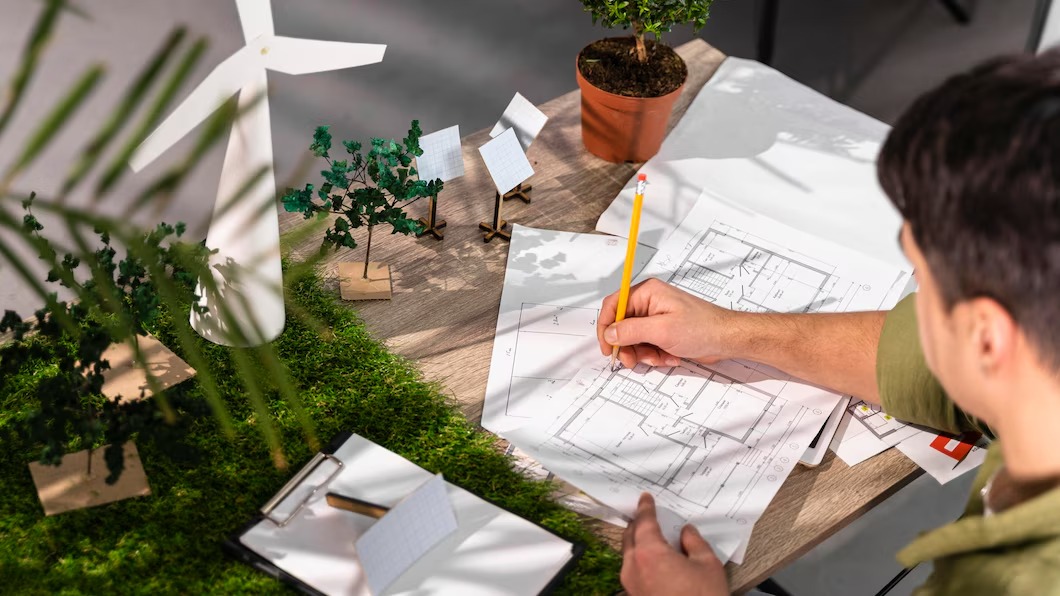
A home should tell your story while also being respectful of the environment. Many UK homeowners are moving away from short-lived design trends, choosing homes that are strong, flexible, and timeless.
In the UK, around 65% of homeowners plan to make eco-friendly home upgrades in the next ten years. This shows that people see sustainability as essential for comfort, value, and modern living.
Real sustainability is about creating spaces that support both individuals and the planet, rather than choosing between comfort and ethics.
We, at Milly Freeman, help you transform your thoughtful design into everyday comfort, offering smart, eco-friendly solutions that blend style and function.
Sustainability starts with small, careful decisions. From the flooring to the lighting in your living room, every detail matters.
Let’s explore seven practical steps to design a home that’s sustainable, beautiful, and built for modern living.
Simple Steps to Make Your Home More Sustainable
Here are the seven simple steps to make your home more sustainable:
Step 1: Begin with Purposeful Planning
Before choosing tiles or planks, think about how you will use space. Sustainable design begins with purpose; focus on building or updating for durability, not temporary trends.
- Consider how your spaces can adapt as your family grows or your requirements change.
- Check the natural light and ventilation before finalising your designs.
- Concentrate on what you will use the most and avoid cluttering your spaces with unwanted items.
Purposeful planning reduces waste, saves money, and ensures that every square foot of your home is meaningful.
According to the UK Government’s Household Energy Efficiency Statistics, the number of homeowners in the UK upgrading to properties with an EPC rating of band D or lower rose by 38%. This reflects a growing national shift toward planning homes that perform better for longer; both economically and environmentally.
A well-designed home lasts longer and helps you avoid the constant need to replace, renovate, or discard items.
Step 2: Choose Natural and Renewable Materials
The materials you choose for your home will affect its look and environmental impact. Sustainable materials come from renewable sources or even have a low impact during production.
- Choose wood that is responsibly sourced and certified by the FSC or PEFC.
- Consider natural finishes like lime plaster or clay paint to improve air quality.
- For flooring, pick bamboo, cork, or reclaimed wood, as these are sustainable and durable.
- Use recycled steel, glass, or composite materials for building and decorating.
These materials develop a lovely patina over time and can be recycled or repurposed at the end of their use. The goal is to use sustainable long-lasting materials that give your home character while reducing waste.
Work with local suppliers to reduce transportation emissions and promote sustainable sourcing.
Step 3: Start with a Safe Foundation
Sustainability begins before the paint and finishes; it starts with what’s behind the walls. If your home was built before the 1990s, there’s a chance asbestos could still be hidden in ceilings, insulation, or flooring. In that case, it’s worth bringing in specialists like advanceasbestosremoval.co.uk to inspect and clear it safely before the design work begins.
Remove hazardous materials first to keep your renovation safe for your family and the environment.
Working with a licensed professional ensures your project meets UK safety standards and waste-disposal regulations. This is an essential part of eco-friendly construction.
Step 4: Focus on Energy Efficiency
Saving energy is one of the best ways to make your home more sustainable. It lowers your carbon footprint and helps you save money over time.
- First, install proper insulation to your walls, ceilings, and floors to keep heat from escaping.
- Use double or triple-glazed windows to keep heat in during winter and out during summer.
- Consider energy-saving systems such as heat pumps or solar panels to generate renewable energy.
- Install smart thermostats and motion-sensing lights to control energy use.
- Replace regular bulbs with LED lights for better durability and energy savings.
Improving energy efficiency may seem complicated, but it can have a big impact. In the end, these steps make your home more eco-friendly and cost-effective.
Step 5: Bring in Natural Light and Ventilation
Light affects our emotions, energy, and overall well-being. Using more natural light just reduces the need for artificial lighting, and good ventilation keeps indoor air fresh; both are important and eco-friendly living.
- Place your main living areas where they get the most sunlight.
- Use reflective surfaces and light colours to boost natural light.
- Add skylights or sun tunnels in darker areas, like hallways or bathrooms.
- Include windows on opposite sides of rooms to allow fresh air to flow.
Natural light does more than brighten a space. It gives us energy, helps us sleep better, and connects us to the natural rhythm of the day. A bright and well-ventilated home is simply more enjoyable to live in.
Step 6: Reuse, Recycle, and Reimagine
Sustainable design involves finding new ways to use what we already have instead of throwing things away. Look for opportunities to fix or repurpose materials that still have value.
- You can refurbish old furniture by sanding, painting, or reupholstering it.
- Use salvaged tiles or bricks from nearby reclamation yards.
- Keep architectural features, such as doors, beams, or handles, and incorporate them into your new design.
- Choose vintage or second-hand décor instead of buying mass-produced items.
These actions reduce waste and add depth to your design story. Each repurposed piece has a history and offers a level of authenticity that new products might lack. Reusing materials is a creative and personal way to practice sustainability.
Step 7: Think Beyond the Indoors
A sustainable home involves more than just its structure. The garden, roof, and outdoor areas to connect your home to nature.
- Create gardens that boost biodiversity by using native plants and those that truly attract pollinators.
- Install systems to collect rainwater for watering your garden.
- Consider green roofs or living walls for their natural insulation and attractive look.
- Use permeable paving to manage water runoff effectively.
A well-planned outdoor space provides shade, reduces heat, and draws in wildlife. It also extends your living area, serving as a place to relax, grow food, and connect with nature.
Conclusion
Making your home sustainable means making improvements, not achieving perfection. Every decision you make, from the materials you use to the smallest details, create a healthier home and environment.
Sustainable living combines practicality with creativity. It involves creating spaces that feel natural, using durable materials, and making choices that respect people and the planet. When you plan carefully, you build not just a home but a future that works well with the environment.
Sustainable design is more about smart choices than sacrifice. When you design with purpose, you find better ways to live: comfortably, responsibly, and for the long term.

